What Is Organic Web Traffic?
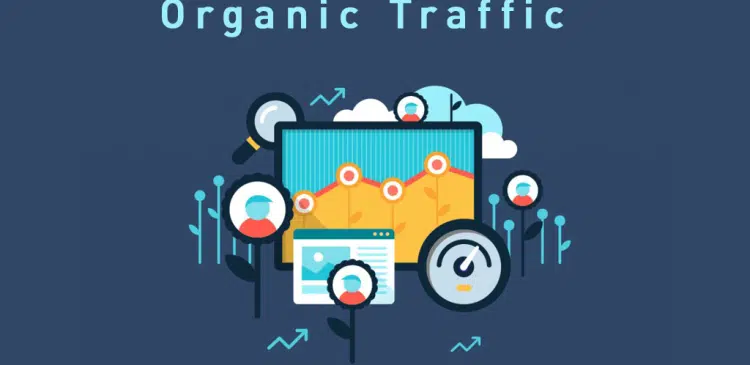
Organic web traffic refers to visitors who land on your website through unpaid search engine results. Instead of clicking on advertisements, these users find your content naturally when they search for information, products, or services on search engines like Google or Bing. Organic traffic is one of the most valuable sources of website visitors because it is driven by genuine interest and intent.
In this guide, we’ll break down what organic web traffic is, how it works, and why it plays a crucial role in digital marketing success.
How Organic Web Traffic Works
Whenever a person inserts a query in a search engine, the site employs intricate algorithms to provide the most pertinent results. Such results are prioritized according to many parameters like relevance of a keyword, the quality of the content, the authority of the web site, and the user experience.
When your site is in these search results and one of the users clicks on it, the visit is regarded as organic traffic.
For example, if someone searches for “best ways to improve website SEO” and clicks on your blog post from the search results page (not an ad), that visit is organic.
Key Characteristics of Organic Traffic
There are several vital characteristics that distinguish organic web traffic as compared to other sources of traffic:
It Is Unpaid
Organic traffic does not imply direct payment to search engines. You do not have to pay on a per-click or per-impression basis as with paid ads. Rather, you gain popularity with good SEO.
It Is Intent-Driven
People who come by organic search are normally in search of something particular. This implies that they are more inclined to consume what you have to offer, they will spend longer hours with you and may even become your customers.
It Builds Over Time
Organic traffic does not occur in one day. It involves regular work in content development, optimization and the development of authority. It can however give long-term outcomes if it is put in place.
Why Organic Web Traffic Is Important
Sustainable online development is based on organic traffic.
Here’s why it matters:
Long-Term Results
Organic traffic will keep on flowing unlike paid campaigns which cease to generate traffic after the budget has been exhausted.
Higher Credibility and Trust
Organic search results are more likely to be trusted than the paid ads. Placing within the top search results will indicate power and trustworthiness.
Better Return on Investment (ROI)
Although SEO is time-consuming and it may not be as immediate as paid advertising, it can be more profitable in the long term. After ranking well, your content can bring traffic without incurring the cost of doing so.
Organic Traffic vs Paid Traffic
The difference between organic and paid traffic will also help in explaining the value of this.
| Feature | Organic Traffic | Paid Traffic |
| Cost | Free (requires time and effort) | Paid per click or impression |
| Speed | Slow to build | Immediate results |
| Sustainability | Long-lasting | Stops when budget ends |
| Trust Level | High | Moderate |
The two forms of traffic are necessary, but organic traffic is needed to assure a stable and growth over time.
How to Increase Organic Web Traffic
The strategies have to be combined to grow organic traffic.
The following are the best approaches:
Keyword Research
Determine the words that your target audience is searching. Identify the keywords that are relevant and have good search volume and competition that can be easily handled using tools such as key word planners.
Focus on:
- Long-tail keywords
- User intent
- Search trends
Create High-Quality Content
The basis of organic traffic is content. Create valuable, interesting, and informative content that addresses the questions of the users.
Best practices include:
- Composing straightforward and simple texts.
- With headings and subheadings.
- Including examples and tips to follow.
On-Page SEO Optimization
Make every page on your web site search engine friendly.
This includes:
- Use of keywords in titles and headings.
- Drafting attractive meta descriptions.
- Optimization of pictures by use of alt text.
Improve Website Performance
Search engines have a preference towards websites that are user-friendly.
Make sure your site:
- Loads quickly
- Is mobile-friendly
- Has easy navigation
Build Backlinks
Back links are the links of other sites which refer to your site. They serve as an indicator of credibility and power.
Ways to build backlinks:
- Guest blogging
- Creating shareable content
- Collaborating with industry experts.
Common Mistakes to Avoid
Working on organic traffic, one should not fall into these traps:
Ignoring User Intent
Poor engagements may be a result of concentrating on search terms without having the idea of what user’s desire.
Keyword Stuffing
Excessive use of the keywords makes the content difficult to read and may damage the rankings. Always give a preference to natural language.
Publishing Low-Quality Content
The poorly written or thin content will not do well in rankings. It is always about quality rather than quantity.
Measuring Organic Web Traffic
You must follow up performance in order to know whether your organic strategy is performing well or not.
Key metrics include:
- Number of organic visitors
- Bounce rate
- Average session duration
- Conversion rate
Such tools as analytics platforms can assist you in tracking such metrics and make informed decisions based on the data.
 Bill Yeager, Co-Owner of High Point SEO & Marketing in CT


