
What Are the Different Types of Website Coding?
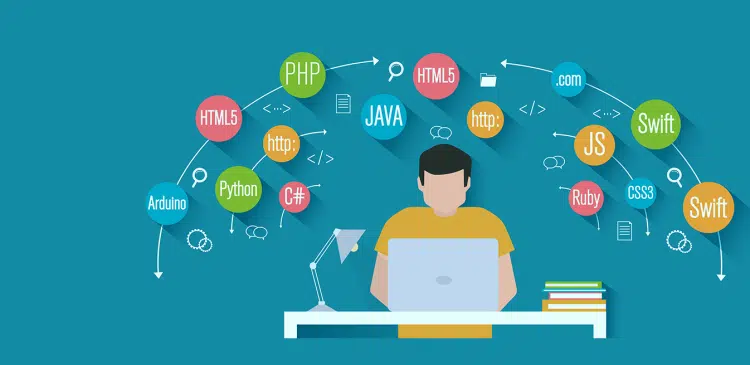
Building a website involves more than just design—it requires coding that brings functionality, interactivity, and performance to life. Website coding can be broadly divided into different types based on how and where the code runs. Understanding these types is essential whether you’re a beginner, business owner, or aspiring developer.
In this guide, we’ll break down the main types of website coding in a simple and easy-to-understand way.
Front-End Coding (Client-Side Development)
Front-end code is concerned with all that the users can see and interact with in a web site. It operates directly in the browser and it does layout, design and user experience.
Key Technologies Used
HTML (Hypertext Markup Language): The basis of any site. It organizes the content such as headings, paragraphs and images.
CSS (Cascading Style Sheets): It is used to control the appearance such as colors, fonts, spacing, and layout.
JavaScript: Provides interactivity, e.g. animations, sliders, pop-ups and dynamic content updates.
Why It Matters
Front-end coding makes your site look attractive and it works well with devices. Good front end construction enhances user experience, which directly affects the ranking of SEO and user engagement.
Back-End Coding (Server-Side Development)
The back-end coding is the back-office functionality of a web site. It deals with data processing, server communication and database management.

Common Back-End Languages
PHP: PHP is broadly utilized as a dynamic web resource and content management system.
Python: Python is simple and is used in application frameworks such as Django and Flask.
Node.js: JavaScript can be used on the server side.
Ruby: Ruby on Rails framework.
What It Does
- Processes user requests
- Manages databases
- Deals with authentication and security.
- Generates dynamic content
Without back-end codes, websites would be inactive and they cannot store or access data.
Full-Stack Development
A full-stack development is a coding that integrates both back-end and front-end. A full-stack developer has the capability of developing a complete site.
Skills Involved
- Front-end technologies (JavaScript, CSS, HTML).
- Python, PHP, Node.js, and similar Back-end languages.
- Database management.
- git Version control systems such as Git.
Benefits
Flexibility and efficiency are provided by full-stack development. It is particularly handy in the case of startups or small teams where a single developer can be working on several features of a project.
Static Website Coding
A static website is one that has an unchanging content that is not automatically updated. The pages are coded separately and represented just the way they are stored.
Characteristics
- Fast loading speed
- Simple structure
- Minimal server processing
When to Use It
The small websites such as portfolios, landing pages or information websites that do not need frequent updates are well suited to static coding.
Dynamic Website Coding
Dynamic websites are dynamic in the sense that they create content on the fly according to the interactions of the user or a database query.
Features
- Individualized user interfaces.
- The elements of interaction (forms, dashboards)
- Information is automatically updated and does not require manual coding.
Examples
- E-commerce platforms
- Social media sites
- User generated content blogs.
Dynamic coding is more complicated but very effective as it involves front-end and back-end integration.
Content Management System (CMS) Coding
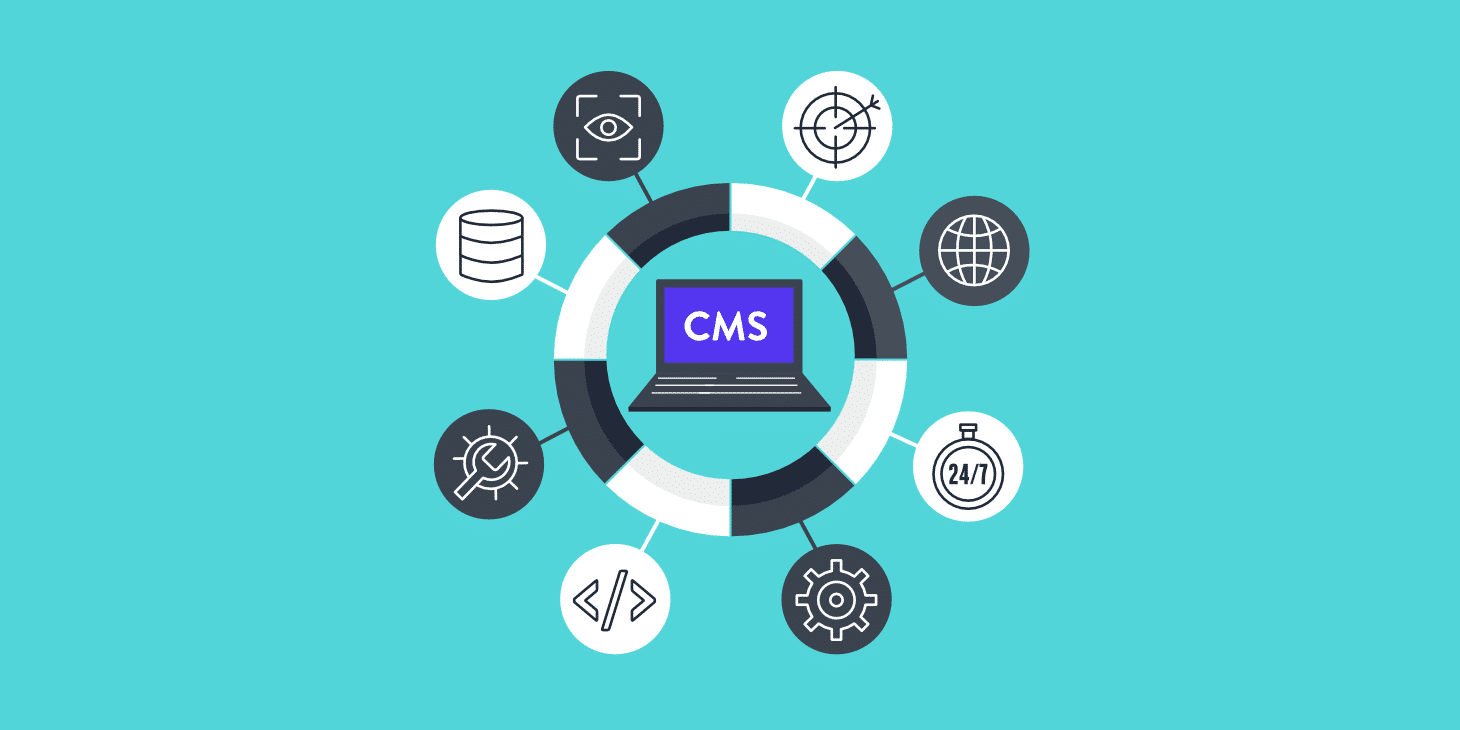
A Content Management System enables one to create and maintain the content of the web site without the need-to-know deep code.
Popular CMS Platforms
- WordPress
- Joomla
- Drupal
How Coding Works in CMS
Although CMS solutions minimize manual coding, the developers still code to tailor themes, extensions and functionality.
Advantages
- Easy content updates
- User-friendly interface
- Growable websites.
CMS-based coding suits businesses that require flexibility and do not require a lot of technical work.
E-Commerce Website Coding
Online stores have specialized e-commerce code. It has such functions as the product listing, shopping cart, and payment gateways.
Key Components
- Secure payment integration
- Inventory management
- Order tracking and user accounts.
Technologies Used
Combination of front-end and back-end coding and such platforms as Shopify or custom-built tools can be used by e-commerce websites.
Importance
Effective coding is pre-requisite to security, speed, and smooth user experience, which are essential to online sales and performance of search engine optimization.
Responsive and Mobile-First Coding
The current sites should be compatible with every device such as smartphones and tablets. Responsive coding makes a site fit into various screen sizes.
Key Techniques
- Flexible layouts
- Media queries in CSS
- Mobile-first design methodology.
Why It Matters
Search engines are favouring websites that are mobile friendly. Responsive coding enhances usability, decreases the bounce rates and improves rankings.
Key Takeaways
There are many types of website coding that are used to perform a particular function. Whether it is front-end design or back-end functionality, or whether it is a fixed page or a dynamic platform, each of them has a part to play in creating a successful website.
Knowing these various forms of site code will allow you to make well-informed choices, whether you are outsourcing to a developer, teaching yourself to code or trying to plan your next online project. With the appropriate mix of coding tricks, it is possible to have a fast, user-friendly and search engine optimized web site.
 Bill Yeager, Co-Owner of High Point SEO & Marketing in CT


