What Are ORM Strategies?
In today’s digital world, your online image can define your success. Whether you are a business owner, professional, or public figure, what people see about you online matters. This is where ORM strategies come into play.
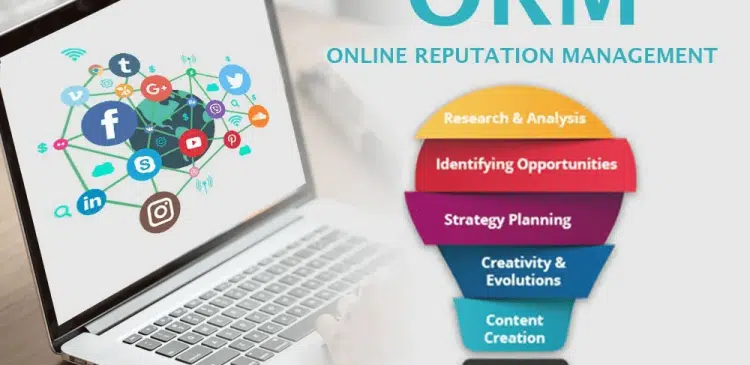
ORM stands for Online Reputation Management. It involves monitoring, influencing, and improving how a person or brand is perceived online.
In this guide, you’ll learn what ORM strategies are, why they matter, and how to implement them effectively.
What Is Online Reputation Management (ORM)?
Online Reputation Management (ORM) refers to the act of influencing the perception of the people regarding a brand, person or organization online. It is a mixture of digital marketing, public relations, search engine optimization, and customer services.
Whenever a person types your brand or name on the search engines, social media, or review websites, they make a judgement because of what they view. The ORM strategies will make sure that the information they get is positive, accurate and reliable.
Fixing negative reviews is not the only aspect of ORM. It is driven by the establishment of a robust digital presence that reflects on the credibility and expansion over time.
Why Are ORM Strategies Important?
Online reputation has a direct impact on:
- Customer trust
- Brand credibility
- Sales and revenue
- Hiring opportunities
- Partnerships and investment.
Most consumers according to various studies on consumer reviews read the reviews online before deciding whether to make a purchase or not. Even a couple of bad search results or bad feedback can have a massive effect on business.
Effective ORM strategies help you:
- Create credibility with your audience.
- Enhance the presence of search engines.
- Deal with criticism in a professional manner.
- Guard your brand against fake news.
- Enhance customer relations.
In other words, ORM is not optional anymore, it is mandatory.
Key ORM Strategies You Should Know
Now it is time to discuss the most significant ORM strategies that will assist in controlling and enhancing your online reputation.
 Monitoring Your Online Presence
You should be aware of what they are saying about your brand on the Internet.
This includes:
- Google search results
- Social media mentions
- Online reviews
- Blog posts and news articles
- Discussion forums and forums.
Create brand name and product name and key executive alerts. By keeping watch regularly, you will be able to react fast to a problem before it becomes serious.
Early detection can stop the minor grievances to become a big image reputation scandal.
Search Engine Optimization (SEO)
In ORM, SEO is a major factor.
The first page of search results is the most important when a person is searching your name or company. SEO in the form of ORM assists in the promotion of positive and relevant information up the search results.
This may include:
- Optimizing your website.
- Having quality blog content.
- Development of branded social media accounts.
- Writing as a guest on reputable sites.
- Building strong backlinks.
The goal is to control what appears on the first page of search engine results. The more positive content you create, the less visible negative content becomes.
The ORM based on SEO is long-term but very effective.
Managing Online Reviews
One of the strongest aspects of your online reputation is online reviews.
Customers often rely on platforms like:
- Google Reviews
- Yelp
- Trustpilot
- Industry-specific directories
A good ORM plan consists of:
- Motivating customers to make positive reviews.
- Professional responding to negative reviews.
- Response to customer complaints.
- Being understanding and giving remedies.
Negative reviews should not be ignored. A non-aggressive and polite reaction demonstrates to potential customers that you are caring and ready to better the circumstances.
Review management can turn unhappy customers into loyal advocates.
Creating Positive Content
Content creation is a core ORM strategy.
 Valuable and informative content published can be helpful in establishing authority and trust.
This includes:
- Blog articles
- Press releases
- Case studies
- Customer testimonials
- Social media posts
- Video content
Good content makes you a guru in the industry. It further boosts your search engine ranking and as such, users find it easier to get positive information about your brand.
Consistency is key. Periodic updates demonstrate that the brand is dynamic and active.
Social Media Management
Social media has a huge impact on the perception of people.
A successful ORM plan entails:
- Having active social media profiles.
- Sharing regular and attractive content.
- Replying to messages and comments.
- Resolving customer issues in an open manner where necessary.
Social media provides the brands with direct rapport with the audience. When well handled, it enhances transparency and trust.
Ignoring social media, on the other hand, can damage your reputation quickly.
Crisis Management Planning
There is no brand that is immune to the negative publicity. This is why the crisis management is such an important component of ORM strategies.
A crisis can arise from:
- Negative media coverage.
- Viral Customer complaints.
- Employee misconduct.
- Product failures.
The crisis management plan contains:
- Effective communication guidelines
- A designated spokesperson
- Quick response timelines
- Open and sincere communication.
The important aspects in a crisis include speed and transparency. The more time you take in acting, the more it will hurt.
Preparation aids in the decrease of long-term effect.
Building Brand Authority
Authority builds trust.
Whenever your brand is perceived to be valid and informed, people will tend to ignore small negative feedback.
Some methods of developing authority are:
- Publishing expert content
- Speaking at industry events
- Working with influencers
- Appearing in the reputable publications
- Getting certifications or awards.
The more authority you have the more your reputation.
Common ORM Mistakes to Avoid
While implementing ORM strategies, avoid these common mistakes:
- Ignoring negative feedback
- Reaction to criticism on the emotional side
- Scheduling of inconsistent or low-quality content
- Using fake reviews
- Not keeping track of search results.
Authenticity and transparency are essential. Attempting to manipulate reviews or hide criticism can backfire and damage trust.
Benefits of a Strong ORM Strategy
When done correctly, ORM strategies provide long-term advantages:
- Increased customer loyalty
- Higher conversion rates
- Stronger brand credibility
- Better search engine positioning
- Improved business opportunities.
A positive online reputation becomes a powerful marketing asset. It works for you 24/7, influencing decisions even when you’re not actively promoting your business.
 Bill Yeager, Co-Owner of High Point SEO & Marketing in CT


