
Do Web Designers Use Layouts?
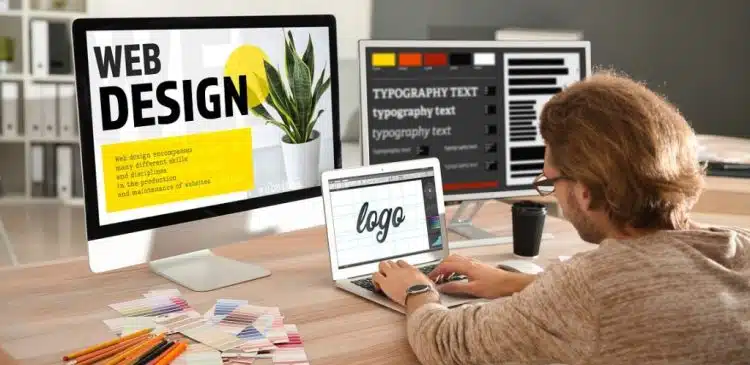
If you’ve ever wondered, “Do web designers use layouts?” The short answer is yes — absolutely. Layouts are one of the most important tools in modern web design. Without them, websites would look disorganized, confusing, and difficult to navigate.
In today’s digital world, users expect websites to be clean, structured, and easy to use. Whether it’s a small business website, an online store, or a large corporate platform, layouts play a major role in shaping the user experience.
In this article, we’ll explore what web layouts are, why web designers use layouts, the different types of layouts, and how they improve usability, SEO, and overall website performance.
What Is a Website Layout?
A webpage design is the systematic arrangement of visuals on a webpage.
This includes:
- Headers
- Navigation menus
- Images
- Text blocks
- Buttons
- Sidebars
- Footers
The design establishes the organization of the content and the navigation of the users around the page. It serves as a basis of web design, the coordinator of both aesthetics and functionality.
Layouts are well-planned by web designers so that the site becomes attractive and user-friendly. A proper layout ensures that users can navigate to the required item very fast so that they become more engaged and make more conversions.
Why Do Web Designers Use Layouts?
Layouts serve a number of purposes to web designers. There are major advantages that we should dissect.
Better User Experience (UX)
User experience is one of the top priorities in web design.
A clear layout helps visitors understand:
- Where to click
- Where to find information
- Navigation instructions.
Users spend more time on the site when the content is presented in a logical manner. The bad layout design, conversely, will aggravate the visitors and escalate the bounce rates.
For example, websites inspired by usability principles from organizations like Nielsen Norman Group emphasize structure, visual hierarchy, and simplicity. These principles heavily influence modern layout design.
Visual Hierarchy and Clarity
Layouts are used to create visual hierarchy. This implies that the most crucial aspects must be directed first to the eyes of the users.
Designers use:
- Headings
- Spacing
- Font size
- Colors
- Grid alignment
Web designers arrange the content in a proper manner and thus visitors can easily scan the pages, of great importance in the current fast-paced online world.
Consistency Across Pages
Consistency builds trust. A layout will make each page of a site to have a similar structure.
For example:
- The navigation bar remains in the same position.
- The logo is present on top all the time.
- The same information is found in the footer.
This consistency helps users feel comfortable and familiar with the website.
Types of Website Layouts Web Designers Use
There are various layouts being used by the web designers depending on the nature of the site. These are some of the most prevalent ones.
 Fixed Layout
A fixed layout will have a fixed width which does not vary with the size of the screen. Although this was the trend in the early years of the internet, it is not popular nowadays since it does not suit well in mobile devices.
Fluid Layout
A fluid layout makes use of percentages rather than definite units. This enables material to expand or contract with the size of the screen.
This form of structure enhances flexibility and increases the adaptability of the websites.
Responsive Layout
The new standard in the industry is the responsive layout design.
It enables websites to auto-adapt to various screen sizes, such as:
- Smartphones
- Tablets
- Laptops
- Desktop monitors
Web designers are using frameworks such as Bootstrap in order to develop responsive layouts easily.
Responsive layouts will be necessary since the internet usage in mobiles takes up a significant percentage of the traffic.
Grid-Based Layout
The layouts based on a grid are implemented with the help of a column structure. Grid systems help designers to stay aligned and balanced.
A lot of design software like Figma and Adobe XD offer ready-made grid systems to allow designers to design accurate and consistent layouts.
Do Layouts Affect SEO?
Yes, layouts significantly impact SEO (Search Engine Optimization).
Search engines like Google prioritize websites that provide good user experience. A clean and structured layout helps search engines understand your content better.
Here’s how layouts improve SEO:
Clear Content Structure
Using proper headings (H1, H2, H3) helps search engines identify important topics. Structured layouts make it easier for search engines to crawl and index pages.
Mobile Friendliness
Responsive layouts improve mobile usability, which is a ranking factor. If your website doesn’t work well on smartphones, it may rank lower in search results.
Faster Loading Speed
Well-optimized layouts reduce unnecessary design elements. Cleaner structures often mean faster loading times, which positively affects search rankings.
How Web Designers Create Layouts
Web designers don’t randomly place elements on a page. Layout creation is a strategic process.
 Wireframing
Before designing the final look, designers create wireframes. A wireframe is a basic visual guide that outlines the structure of a webpage.
It focuses on:
- Content placement
- Navigation structure
- User flow
This stage helps prevent costly design changes later.
Using Design Principles
Professional web designers follow core design principles such as:
- Alignment
- Contrast
- Proximity
- Repetition
- Balance
These principles ensure that layouts are not only attractive but also functional.
Collaboration With Developers
After designing the layout, designers work with developers to bring it to life using:
- HTML
- CSS
- JavaScript
They may use content management systems like WordPress to implement layouts efficiently.
Common Mistakes to Avoid in Website Layout Design
Even though layouts are essential, poor layout decisions can harm a website.
Here are common mistakes designers avoid:
Overcrowding the Page
Too many elements create visual clutter. White space is important because it improves readability and focus.
Poor Navigation Placement
If users can’t find the menu easily, they may leave the site. Navigation should always be clear and accessible.
Ignoring Mobile Users
Designing only for desktop is outdated. A layout must work seamlessly across all devices.
Are Layouts Still Important in Modern Web Design?
Yes — layouts are more important than ever.
Modern trends such as minimalism, dark mode, and interactive design still rely heavily on structured layouts. Even advanced animations and dynamic content must be placed within a well-planned framework.
With growing competition online, user expectations are higher. A messy or outdated layout can make a business look unprofessional. On the other hand, a clean and organized layout builds credibility and trust.
Key Takeaways: Do Web Designers Use Layouts?
So, do web designers use layouts? Absolutely.
Layouts are the backbone of every professional website. They improve user experience, enhance SEO, increase engagement, and help maintain consistency across pages.
From responsive grid systems to carefully structured wireframes, layouts guide how users interact with a website. Without them, even the most beautiful visuals would lack clarity and direction.
Whether you’re a business owner, aspiring designer, or simply curious about web development, understanding the importance of layouts can help you appreciate the strategy behind every well-designed website.
In short, layouts are not optional — they are essential.
 Bill Yeager, Co-Owner of High Point SEO & Marketing in CT


